
Before pasting a work document into ChatGPT, I would check whether the task and the information are permitted in that particular account. Then I would reduce the document to the smallest useful extract. A model-training setting cannot make that permission decision for me.
That is the order I would use for ChatGPT privacy at work: permission, necessary context, destination, and sharing. Starting with a reassuring setting can distract from the simpler question of whether the customer record needed to leave its original system at all.
I do not have a documented privacy incident to recount here. Instead, I will follow a constructed customer email through the checks I would make before using AI to organize a reply. The aim is a practical boundary you can apply to one ordinary task, without turning every email into a compliance project.
Decide what the task actually needs
Suppose a customer email contains a name, home address, phone number, order number, delivery complaint, and a request for an update. The first task is only to identify what happened and what information is missing. That does not automatically require the complete email.
I would write the intended output first: a short list of the complaint, the customer's requested action, and unresolved facts. That sentence gives me a reason to include or exclude each input field.
For this example, the structure might be enough: the delivery is marked complete, the customer reports a missing package, and the tracking detail has not been checked. A name and street address would not help the model identify those three points.
My data minimization check would look like this:
Information | Does this extraction task need it? | What I would do |
|---|---|---|
Reported delivery problem | Yes | Preserve the relevant wording |
Requested update | Yes | Preserve the requested action |
Customer's full identity | Usually not for this narrow example | Omit it from the practice extract |
Internal account or payment details | Not for identifying the request | Keep them in the approved source system |
Timing needed to understand the complaint | Possibly | Keep only the necessary detail, if permitted |
These are task-specific choices, not a universal list of information safe to upload. If company policy prohibits this use, I would stop even when the extract looks harmless.
I would use a fictional practice note if permission remained unclear. That can help develop an extraction format without treating a real customer's information as test material.
Redacted documents can still reveal more than a name
Removing obvious identifiers is useful, but I would read the remaining extract as a whole. A distinctive job title, exact incident, branch location, and unusually precise date could still point toward a particular person or organization.
I would also check whether I had retained unnecessary quoted conversation. A customer might include someone else's contact details, a forwarded signature, or an unrelated personal explanation. Those details can survive a quick search-and-replace because they are outside the fields I expected.
For the delivery example, I would prefer a newly written task note over a screenshot of the entire email. A screenshot can include surrounding messages, account names, notifications, and other context I did not intend to submit.
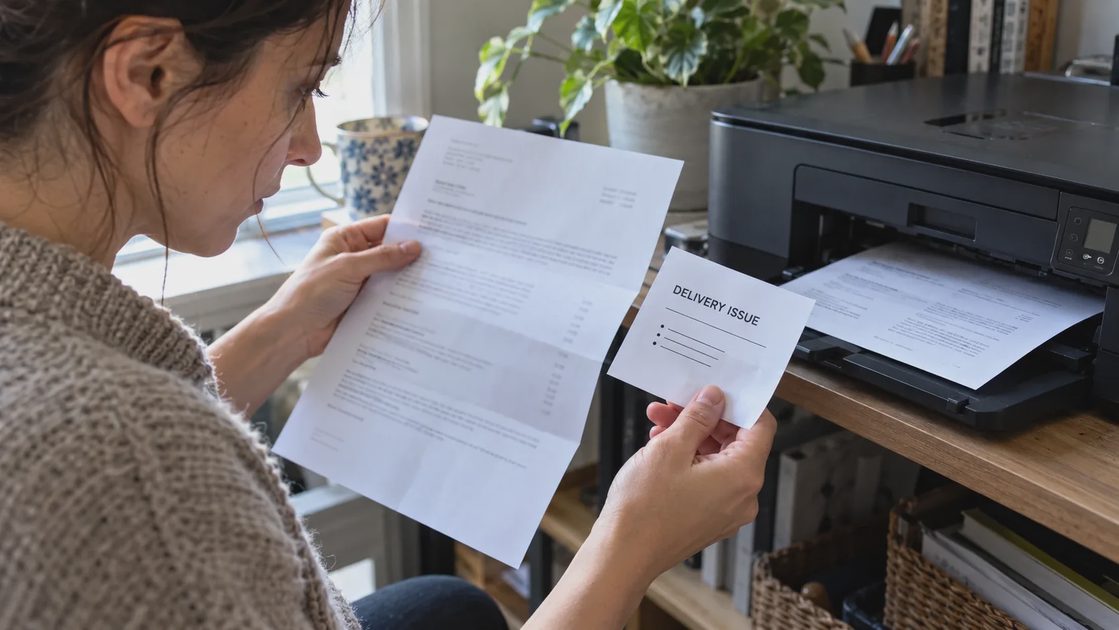
I would not assume that placing a black rectangle over text creates a reliably redacted file. If I needed to share a redacted document, I would use an approved method and verify the actual file being shared. For this small task, a short permitted text extract would usually be easier to inspect.
The useful test is straightforward: could I explain why every remaining detail helps produce the requested output? If a field is present only because copying the whole record was convenient, I would remove it or reconsider the task.
I would keep the original and the prepared extract clearly separate. Reusing a filename such as “customer email final” makes it too easy to select the unedited attachment later. Before submitting, I would reopen the selected extract and inspect its contents, rather than trusting the filename or remembering which copy I meant to use.
Check account controls without giving them extra meaning
OpenAI's current data-controls guidance distinguishes training controls from saved-chat behavior. Its Temporary Chat guidance also explains that temporary conversations can use existing personalization unless that is turned off. I would read the current controls for the actual account rather than relying on an old screenshot or the word “temporary.”
I would keep four questions separate:
Is this workplace use approved?
What information am I submitting?
What do the available account and workspace controls do?
Where will the output or any connected action go?
The answers may be related, but one answer cannot replace the others. Turning off model improvement does not establish that I have authority to disclose sensitive work data. Selecting a different GPT model does not settle the organization's rules either.
OpenAI says its business data is not used for training by default. I would treat that as a specific product commitment, not a claim that every workplace document belongs in every business account. Retention, access, contractual duties, and the organization's own AI workplace policy still need their appropriate checks.
I would ask the designated workplace contact if the applicable rule was unclear. I would describe the task and data categories rather than sending that person another copy of the sensitive document merely to ask the question.
Notice when the workflow has another destination
For a permitted, narrowly defined extraction task, I might start with GPT-6 Luna if it is available. I would ask it to organize the sanitized facts and leave missing information open. That is a drafting choice, not a privacy feature or a certification of the environment.
I would also inspect any proposed use of connected tools. A plain text response and an action that sends information to another service have different destinations. If the task did not need an external action, I would keep the workflow to a draft.
For example, a reply outline might be all I need. Automatically searching a customer system, attaching a record, or sending the finished email would each require separate justification and the applicable authorization. A convenient next step should not quietly expand the original task.
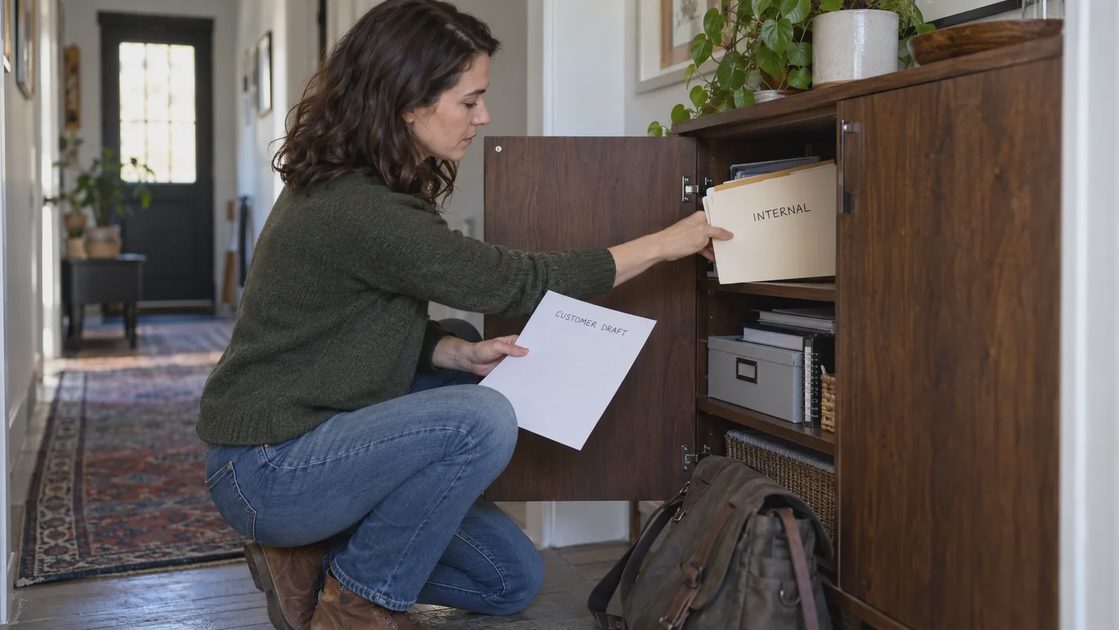
I would read a tool's requested action and destination before proceeding. If I could not establish where the selected information would go, I would not use that path with the work record.
This also changes how I would troubleshoot a poor answer. I would not respond by adding the entire customer file. I would identify the one missing fact that affects the answer, then decide whether that fact is permitted and necessary.
Review what comes back before sharing it
An output can carry sensitive context even when it looks like an ordinary summary. It might repeat details from the supplied extract, combine them into an identifying description, or include information irrelevant to the person receiving the draft.
Before sharing, I would check the intended recipient and the smallest information they need. The internal investigation note and the customer-facing reply would not automatically contain the same detail.
In the delivery example, the customer reply might acknowledge the reported issue and request the specific missing information. An internal note might record the tracking check still needed. Neither needs to reproduce an unrelated personal explanation from the original email.
I would store the useful draft in the approved location and follow the organization's rules for copies and retention. I would not promise that deleting a local file or a conversation reverses every disclosure that already occurred.
If I discovered that information had gone somewhere it should not, I would stop distributing it and follow the workplace reporting process. I would preserve the details that process requires rather than improvising a cleanup and calling the issue resolved.
The cost of preparing a permitted extract also counts. If removing unnecessary information and checking the result takes more effort than completing this small task directly, I would skip AI for that request. There is no benefit in forcing a sensitive workflow through a tool merely because the tool is available.
Before your next permitted practice task, choose one field you were about to paste and ask what the output would lose without it. If the answer is nothing useful, leave that field out.

No letters yet — be the first to write.